
Effective Remedies for Relieving Heel Pain and Improving Comfort
Heel pain affects millions of people worldwide, often disrupting daily activities and reducing quality of life. Whether caused by injury, overuse, or underlying conditions, persistent discomfort in the heel can make walking, standing, or exercising difficult. Fortunately, there are practical remedies that can ease pain and restore comfort. This article explores effective ways to relieve heel pain and improve foot health.
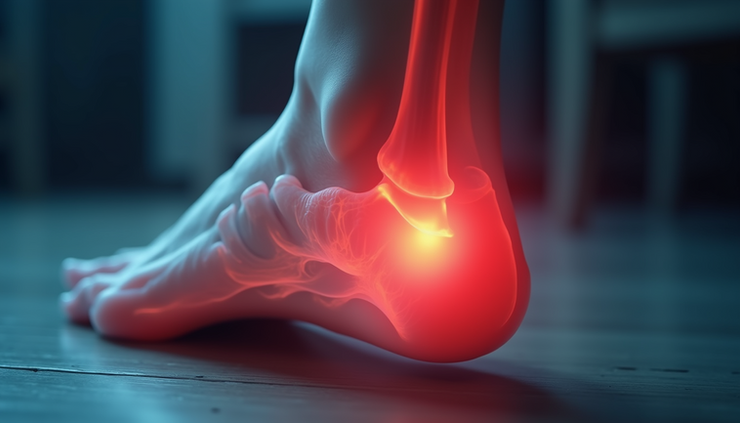
Understanding Heel Pain and Its Causes
Heel pain is a common complaint that can arise from various sources. The most frequent cause is plantar fasciitis, an inflammation of the thick band of tissue connecting the heel bone to the toes. Other causes include:
Heel spurs: Bony growths on the heel bone that can irritate surrounding tissues.
Achilles tendinitis: Inflammation of the tendon connecting calf muscles to the heel.
Bursitis: Inflammation of fluid-filled sacs cushioning the heel.
Stress fractures: Small cracks in the heel bone due to repetitive stress.
Nerve irritation: Conditions like tarsal tunnel syndrome can cause heel pain.
Identifying the root cause is essential for choosing the right treatment. If heel pain persists beyond a few weeks or worsens, consulting a healthcare professional is recommended.
Simple Home Remedies to Reduce Heel Pain
Many cases of heel pain respond well to home care. These remedies focus on reducing inflammation, supporting the foot, and promoting healing.
Rest and Activity Modification
Reducing activities that put excessive pressure on the heel helps prevent further injury. Avoid running, jumping, or standing for long periods until pain improves. Switching to low-impact exercises like swimming or cycling can maintain fitness without aggravating the heel.
Ice Therapy
Applying ice to the heel for 15 to 20 minutes several times a day can reduce swelling and numb pain. Use a cold pack or wrap ice cubes in a towel to avoid direct skin contact.
Stretching Exercises
Tight calf muscles and plantar fascia contribute to heel pain. Gentle stretching can relieve tension:
Calf stretch: Stand facing a wall, place hands on the wall, step one foot back, and keep the heel on the ground while bending the front knee. Hold for 30 seconds and switch sides.
Plantar fascia stretch: Sit down, cross one leg over the other, and pull the toes back toward the shin. Hold for 15 to 30 seconds.
Perform these stretches twice daily to improve flexibility.
Proper Footwear
Wearing shoes with good arch support and cushioning reduces strain on the heel. Avoid flat shoes, flip-flops, or worn-out footwear. Consider shoes designed for heel pain or orthotic inserts that provide extra support.
Over-the-Counter Treatments and Supports
When home remedies are not enough, several over-the-counter options can help manage heel pain.
Pain Relievers
Nonsteroidal anti-inflammatory drugs (NSAIDs) like ibuprofen or naproxen can reduce pain and inflammation. Use as directed and consult a doctor if you have underlying health conditions.
Heel Pads and Orthotics
Gel or foam heel pads cushion the heel and absorb shock during walking. Custom or off-the-shelf orthotic inserts can correct foot alignment and reduce pressure on painful areas.
Night Splints
Wearing a night splint keeps the foot in a flexed position while sleeping, gently stretching the plantar fascia and Achilles tendon. This can reduce morning heel pain and stiffness.
When to Seek Professional Treatment
If heel pain continues despite self-care, medical evaluation is necessary. A Podiarist may recommend:
Physical therapy: Targeted exercises and treatments to strengthen muscles and improve foot mechanics.
Corticosteroid injections: To reduce severe inflammation in specific cases.
Shockwave therapy: Using sound waves to stimulate healing in chronic plantar fasciitis.
Surgery: Rarely needed, but may be considered for persistent pain unresponsive to other treatments.
Lifestyle Tips to Prevent Heel Pain
Preventing heel pain involves maintaining foot health and avoiding risk factors:
Maintain a healthy weight to reduce pressure on feet.
Warm up before exercise and gradually increase intensity.
Choose supportive footwear for daily activities.
Avoid walking barefoot on hard surfaces.
Incorporate regular stretching into your routine.
Comments